Sony LYTIA (Chinese name: 光喻) is a mobile image sensor brand launched by Sony Semiconductor Solutions Group in November 2022, aiming to enhance the mobile imaging experience through innovative technology. The brand’s first batch of products includes five 50 megapixel sensors: LYT 900, LYT 800, LYT 700, LYT 600, and LYT 500. The flagship model LYT 900 features a 1/0.98-inch camera sensor.

Sony LYTIA series camera sensor products list
| Product Lineup | Optical Format | Pixel Size | Effective Resolution |
| LYTIA 901 | 1/1.12” | 0.7μm | 200MP |
| LYTIA 900 | 1/0.98” | 1.6μm | 50MP |
| LYTIA 828 | 1/1.28” | 1.22μm | 50MP |
| LYTIA 818 | 1/1.28” | 1.22μm | 50MP |
| LYTIA T808 | 1/1.43” | 1.12μm | 52MP |
| LYTIA 808 | 1/1.4” | 1.12μm | 50MP |
| LYTIA 700 | 1/1.56” | 1.0μm | 50MP |
| LYTIA 700C | 1/1.56” | 1.0μm | 50MP |
| LYTIA 600 | 1/1.95” | 0.8μm | 50MP |
| LYTIA 500 | 1/2.93” | 0.6μm | 50MP |
| LYTIA 505 | 1/2.93” | 0.6μm | 50MP |
| LYTIA 501 | 1/2.93” | 0.6μm | 12.5MP |
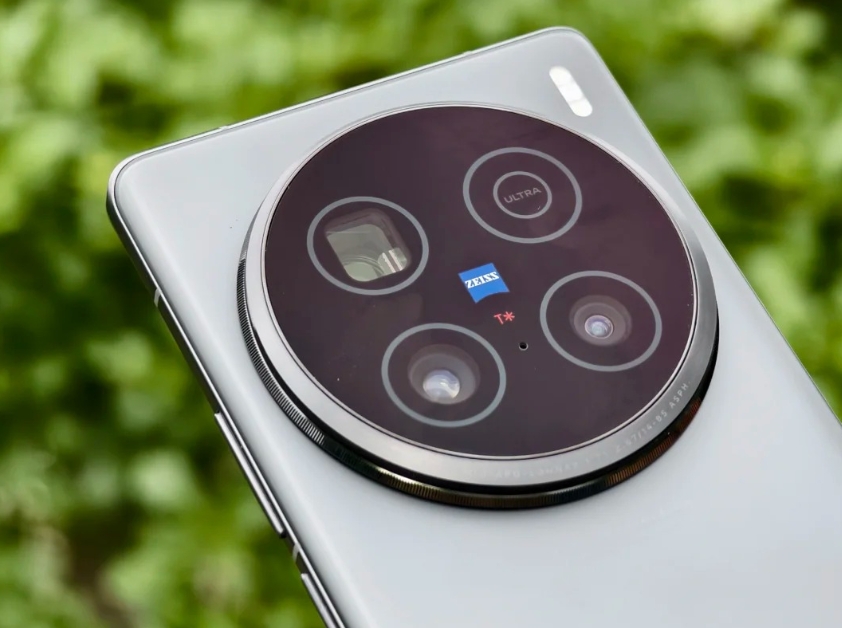
Sony LYTIA series camera sensor smartphone list
LYT-T808 (IMX888): 1/1.35 inch base, 52 million pixels, using double-layer transistor pixel technology to optimize low light performance, commonly seen in foldable flagship products such as OPPO Find N3.
LYT-808 (IMX966): 1/1.4 inch base, 50 million pixels, no dual layer transistor design, but balances image quality and power consumption through collaborative algorithms, equipped on OnePlus 13, OPPO Find X8 Pro and other models.
LYT-818 (IMX06C): 1/1.28 inch base, 50 million pixels, first released with Sony triple gain HDR function, dynamic range up to 14.3 gears, first released in vivo X200 Pro series.
LYT-700 (IMX906): 1/1.56 inch base, 50 million pixels, balanced positioning, commonly seen in telephoto lenses such as OPPO Find X8 Ultra’s 3x periscope telephoto lens.
LYT-600 (IMX882): 1/1.95 inch base, 50 million pixels, inheriting the characteristics of IMX586, focusing on cost-effectiveness, used for mid-range models as the main camera or telephoto lens.
LYT-500: 1/1.953 inch bottom, 50 million pixels, designed specifically for front facing selfies, supports Always on sensing technology.
