Under the same generation of CMOS image sensors, when the sensor size is the same, the one with lower pixel count has relatively better high-sensitivity performance. This is because with the same sensor area, the pixel density of the one with lower pixel count is lower. A lower pixel density means that each individual pixel has a larger light-receiving area, thus having greater light-receiving capacity and less photoelectric interference between pixels. Therefore, the image quality is purer and the high-sensitivity performance is relatively better, although the difference is not significant. When the pixel density is higher, the image quality is more detailed and has a stronger sense of detail. At the same time, high pixel count can meet the requirements of large-sized photo output. That is to say, high pixel count is also needed in photography, so camera manufacturers will also launch high-pixel models to meet market demand.
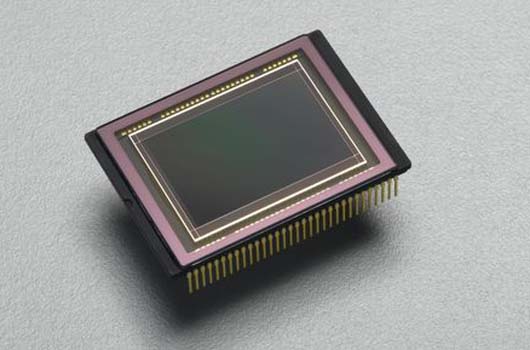
When the CMOS sensor is the same, a lower pixel count does not necessarily mean better image quality. Factors such as resolution, dynamic range, and noise control need to be comprehensively considered.
Pixel density and image quality
When the CMOS size is fixed, the lower the pixel count, the larger the area of each individual pixel, the stronger the light-receiving capacity, the fewer the noise, and the wider the dynamic range, which is suitable for low-light environments. However, too low a pixel count can lead to insufficient resolution and limited detail representation.
Resolution and detail representation
High pixel count can capture more details and is suitable for large-scale output or cropping. However, if the pixel count is too high while the CMOS size remains unchanged, the distance between pixels will decrease, which may increase interference and affect image quality.
