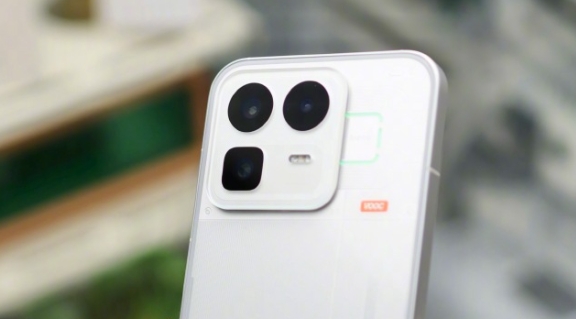
The realme Neo8 is a brand-new smartphone released in January 2026, distinguished by its unique characteristics. In addition to possessing the standard strengths found in other smartphones, it places a particular emphasis on the mobile gaming experience. It features a 6.78-inch display with a maximum refresh rate of 165Hz, utilizing flagship-grade M14 luminescent materials to deliver a superb visual experience for mobile gaming enthusiasts.
The realme Neo8 is equipped with a 6.78-inch “Samsung Cangqiong Screen”—a global debut for this display technology. It natively supports a 165Hz refresh rate across more than 30 popular mobile games. The display boasts a local peak brightness of 6500 nits and a “Sunlight Display” brightness of 3800 nits, powered by flagship M14 luminescent materials. These ultra-high frame rates empower you to dominate the battlefield in your favorite mobile games, making this an excellent choice for anyone who loves gaming.
How does it stack up against flagship models from other brands?
The Xiaomi 17 features a maximum peak brightness of 3500 nits. The iPhone 17 Pro Max has a screen peak brightness of 3000 nits (in outdoor scenarios), an HDR peak brightness of 1600 nits, and a typical global brightness of 1000 nits. In contrast, our Huawei Mate 80 reaches an astonishing maximum peak brightness of 8000 nits. Judging solely by brightness levels, the display on this smartphone performs exceptionally well.
What does “nit” mean?
A “nit” is a unit of brightness. Brightness refers to the physical quantity measuring the intensity of light emitted (or reflected) by the surface of a luminous (or reflective) object. One nit is equivalent to one candela per square meter (cd/m²), representing the luminous intensity per unit of projected area. Of course, when it comes to smartphone screens, higher brightness isn’t always strictly “better”; however, high peak brightness levels (such as those exceeding 3000 nits) can effectively counteract external light interference. This ensures that screen content remains clearly visible—even in strong lighting conditions like direct sunlight—thereby enhancing the overall visual experience. Furthermore, for HDR videos, games, or photos, high peak brightness allows for the display of richer colors and finer details, creating a more realistic and immersive viewing experience.
